| |
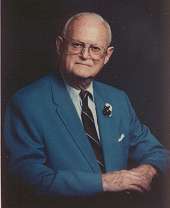 During World War II, Dr. F.A.L. Mathewson was responsible for examination of male aircrew recruits for the Royal Canadian Air Force. His evaluation of the fitness of these recruits for pilot training included medical histories, physical examinations, measurements of height, weight, and blood pressure. As well, and unique at that time, was the inclusion of an electrocardiogram, even though its value was uncertain and it was not used as a criterion for recruitment.
At the end of the War several thousand medical records, including the electrocardiograms,
were available from manning depots in Toronto and Edmonton and were sent to Ottawa.
Dr. Mathewson thought it was a good opportunity to assess the value of examinations and
particularly electrocardiograms to predict future health of these men, and consulted with
Sir John Parkinson in London, and Dr. Harry Ungerleider, of Equitable Life in New York City
for their opinion. In a subsequent publication, Dr. Mathewson stated: "Both stressed the
importance of setting up a long term study to determine the clinical significance of the
electrocardiogram recorded on apparently healthy young people". The seed that would flourish
over the next fifty-four years was planted.
With this endorsement, and with permission from the Royal Canadian Air Force, two medical
students were hired and sent to Ottawa to review the records. Over the next two years,
from 1946-1948 several thousand veterans were contacted. On July 1, 1948 the cohort was
sealed; 3,983 men had been identified to take part in this natural history study of
originally healthy men. The mean age was 31 years with approximately 90% between
ages 20 and 39 years. The majority were derived from the original veterans of the war,
but a few members were commercial pilots or Ministry of Transport pilots who were required to
have electrocardiograms as part of their routine examinations.
The process of "informed consent" to participate in a research study was not recognized or
required in 1948. However, the continued response of members to the annual inquiries,
and their ongoing submission of medical data and electrocardiograms has been seen as consent
to participate in the Study.
|