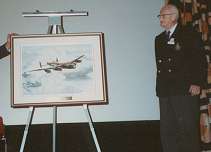
 The most important person in the Study has been Dr. Frank Mathewson. Dr. Francis Alexander
Lavens Mathewson was born in 1905 in New Westminster, BC. He moved to Winnipeg with his
family at a young age. He attended the University of Manitoba Medical College and
graduated with a MD degree in the class of 1931, and with BSc (Medicine) degree in 1933.
He began private practice in Internal Medicine in Winnipeg and was appointed Assistant
Professor of Medicine at the University of Manitoba. He was an attending physician at
the Winnipeg General Hospital from 1935 to 1975 and between 1957 and 1975 was Director of the
Electrocardiograph Department of the Winnipeg General Hospital (later the Winnipeg
Health Sciences Centre).
The most important person in the Study has been Dr. Frank Mathewson. Dr. Francis Alexander
Lavens Mathewson was born in 1905 in New Westminster, BC. He moved to Winnipeg with his
family at a young age. He attended the University of Manitoba Medical College and
graduated with a MD degree in the class of 1931, and with BSc (Medicine) degree in 1933.
He began private practice in Internal Medicine in Winnipeg and was appointed Assistant
Professor of Medicine at the University of Manitoba. He was an attending physician at
the Winnipeg General Hospital from 1935 to 1975 and between 1957 and 1975 was Director of the
Electrocardiograph Department of the Winnipeg General Hospital (later the Winnipeg
Health Sciences Centre).
Dr. Mathewson served in the Canadian Army before World War II and was transferred to the RCAF
where he served from 1940 - 1945. He achieved the rank of Wing Commander and became
Deputy Director of Medical Services (Professional) with the Royal Canadian Air Force.
He also served with the Committee on Aviation Medical Research.
When the war was over in 1945, he returned to Winnipeg, setting up the Manitoba Follow-up
Study and the Cardiovascular Research Unit of the RCAF based at the University of Manitoba
Medical College.
Dr. Mathewson was active in many medical and community affairs. He was a founding member
of the Canadian Cardiovascular Society and was Medical Director of Monarch Life and later of
Great West Life Assurance Company in Winnipeg. He served as President of the Canadian
Life Assurance Medical Officers Association and was President of the Association of Life
Insurance Medical Directors of America from 1968 to 1969. He was keenly interested in
Western Canadian history. He was a naturalist, enjoying wild life photography. He was
one of the founding members of the Museum of Man and Nature and the Planetarium in Winnipeg
and the Mathewson Reading Room was created there in his honour following his death in 1994.
Dr. Mathewson was extremely active in the Study until failing health caused him to reduce
his activities and ultimately to retire. Since 1988, the Study has continued with his
vision and inspiration.
|